
Your sender reputation determines whether your emails reach the inbox, the spam folder, or never get delivered at all.
You could have the best email copy, an attractive design, and a great offer—but if mailbox providers don’t trust you as a sender, very few people will ever see it.
Fortunately, sender reputation isn’t based on luck. It’s built through consistent email practices, and it’s something you can actively improve.
Protect Your Sender Reputation with ZeroBounce
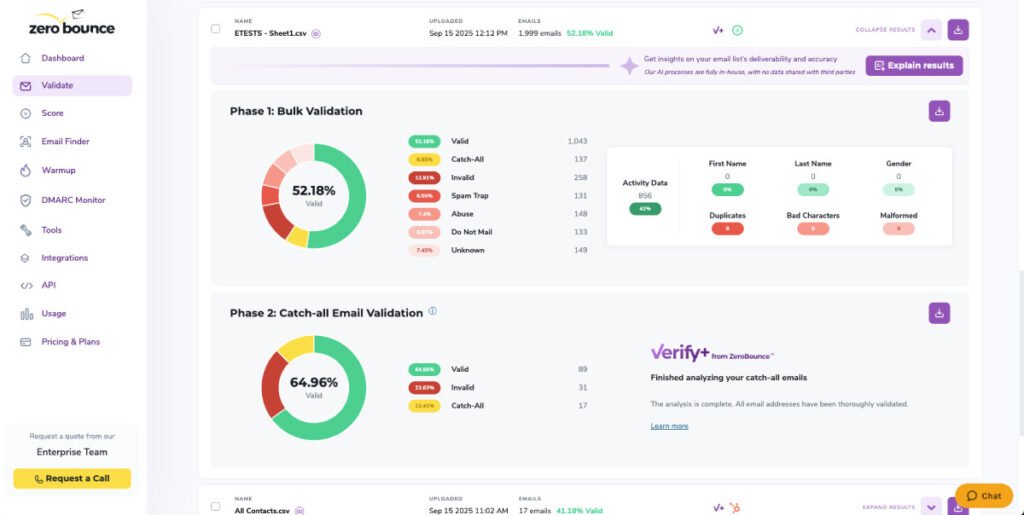
One of the fastest ways to improve your sender reputation is by maintaining a clean email list. ZeroBounce helps identify invalid, disposable, abuse, spam trap, catch-all, and other risky email addresses before you send your campaigns, helping you reduce hard bounces and improve deliverability.
Use coupon code HAFSA10 to get 10% off paid plans.
What Is Sender Reputation?
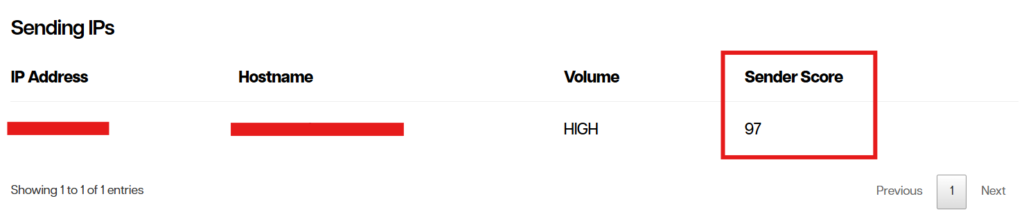
Sender reputation is a trust score that mailbox providers use to evaluate your email sending behavior.
Providers such as Gmail, Outlook, Yahoo, and Apple Mail analyze multiple signals before deciding where your emails should be delivered.
A strong sender reputation increases your chances of landing in the inbox.
A poor reputation makes it more likely that your emails will be filtered into spam—or blocked entirely.
What Affects Your Sender Reputation?
Several factors influence how mailbox providers evaluate your emails.
The most important include:
- Bounce rate
- Spam complaints
- Email authentication
- Subscriber engagement
- List quality
- Sending consistency
Improving these areas helps build long-term trust.
1. Verify Your Email List Before Sending
One of the biggest causes of sender reputation problems is sending emails to invalid or risky email addresses.
As email lists age, they naturally collect:
- Invalid email addresses
- Disposable emails
- Deleted mailboxes
- Spam traps
- Catch-all domains
Verifying your list before each major campaign helps remove these risks before they affect your reputation.
2. Keep Your Bounce Rate Low
Hard bounces tell mailbox providers that you’re sending emails to addresses that no longer exist.
Too many hard bounces suggest poor email list management.
Regular list verification keeps bounce rates under control and helps maintain trust with email providers.
3. Authenticate Your Domain
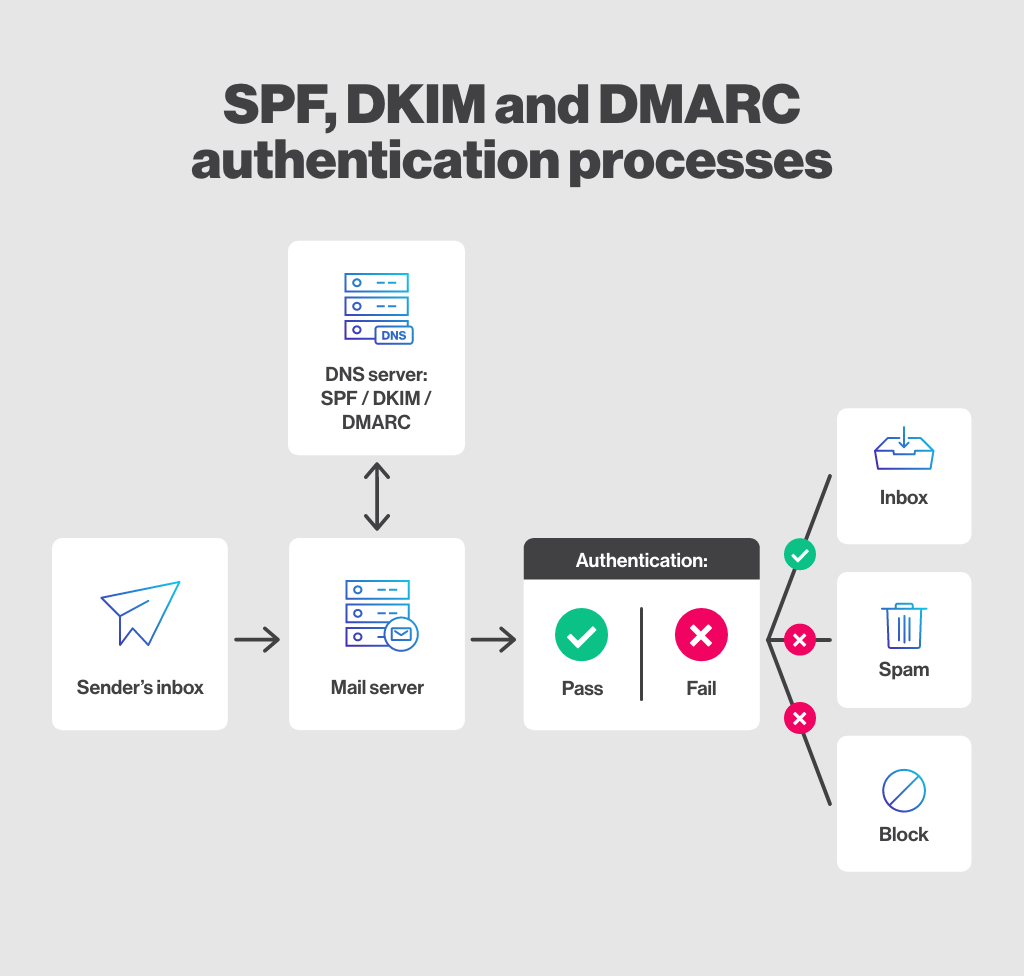
Authentication proves that your emails are genuinely sent from your domain.
Every business should configure:
- SPF
- DKIM
- DMARC
Without these records, mailbox providers may question the legitimacy of your emails.
4. Build a Permission-Based Email List
Only send emails to people who have chosen to hear from you.
Avoid:
- Purchased email lists
- Scraped email addresses
- Automatically imported contacts without permission
Permission-based subscribers are far more likely to engage with your emails.
5. Encourage Positive Engagement
Mailbox providers notice how recipients interact with your emails.
Positive signals include:
- Opening emails
- Clicking links
- Replying to messages
- Marking emails as important
Higher engagement tells providers that recipients value your emails.
6. Remove Inactive Subscribers Carefully
Subscribers who never engage can gradually weaken your email performance.
Instead of deleting them immediately:
- Send a re-engagement campaign.
- Ask whether they’d like to remain subscribed.
- Remove them only after repeated inactivity.
This keeps your list engaged while avoiding unnecessary subscriber loss.
7. Maintain a Consistent Sending Schedule
Sending one email today and fifty thousand tomorrow can appear suspicious.
Instead:
- Maintain a regular schedule.
- Increase sending volume gradually.
- Avoid sudden spikes in email activity.
Consistency helps mailbox providers build trust over time.
8. Monitor Your Email Metrics
Review your campaign reports regularly.
Pay attention to:
- Bounce rate
- Open rate
- Click-through rate
- Spam complaint rate
- Unsubscribe rate
These metrics often reveal problems before your sender reputation suffers significant damage.
Common Mistakes That Damage Sender Reputation
Avoid these common mistakes:
❌ Sending emails to unverified addresses.
❌ Ignoring hard bounce reports.
❌ Buying email lists.
❌ Sending too many emails too quickly.
❌ Missing SPF, DKIM, or DMARC authentication.
❌ Never cleaning your email list.
How ZeroBounce Helps Protect Your Reputation
ZeroBounce improves one of the most important factors affecting sender reputation:
email list quality.
It helps identify:
- Invalid email addresses
- Disposable email accounts
- Abuse emails
- Spam trapsCatch-all domains
- Other risky contacts
By removing these addresses before sending, you reduce hard bounces and demonstrate better email hygiene, helping build long-term trust with mailbox providers.
Sender Reputation Checklist
Before launching your next campaign:
✅ Verify your email list.
✅ Remove hard-bounced addresses.
✅ Authenticate your domain.
✅ Send only to permission-based subscribers.
✅ Monitor engagement.
✅ Maintain a consistent sending schedule.
✅ Review campaign metrics.
Frequently Asked Questions
Can a damaged sender reputation be repaired?
Yes. Improving list quality, reducing hard bounces, authenticating your domain, and following good email practices can gradually rebuild your reputation.
How long does it take to improve sender reputation?
It depends on the severity of the problem and your ongoing sending practices. Consistency is the key to long-term improvement.
Does ZeroBounce improve sender reputation?
ZeroBounce helps improve one of the biggest factors affecting sender reputation by reducing invalid and risky email addresses before campaigns are sent.
Can I check my sender reputation?
Yes. Several deliverability and reputation monitoring tools allow you to track your domain and IP reputation. Monitoring these metrics regularly helps identify issues before they affect inbox placement.
Final Thoughts
Your sender reputation is one of the most valuable assets in email marketing. Once it’s damaged, every campaign becomes more difficult, regardless of how good your content is.
The best strategy is prevention. Keep your email list clean, verify new subscribers, authenticate your domain, and monitor your email performance regularly.
These simple habits will help you build trust with mailbox providers and improve your chances of consistently reaching the inbox.
Before your next campaign, verify your email list so every email you send has the best possible chance of being delivered.
Coupon Code: HAFSA10 — Get 10% off paid plans.
Related Articles
- Email List Hygiene Checklist: 10 Steps to Better Deliverability
- How to Remove Spam Traps from Your Email List Before They Damage Your Reputation
- Why High Email Bounce Rates Hurt Your Business (And How to Recover)
- How to Improve Email Deliverability Without Changing Your Email Provider
- The Hidden Cost of Sending Emails to Invalid Addresses