
A single invalid email address won’t ruin your email marketing—but hundreds of them can.
Email lists naturally become outdated as people change jobs, abandon inboxes, switch providers, or enter fake email addresses. Without regular maintenance, your bounce rate increases, your sender reputation declines, and more of your emails end up in spam.
The easiest way to prevent these problems is by following a consistent email list hygiene routine.
Clean Your Email List with ZeroBounce
ZeroBounce helps you verify your email list before every campaign by identifying invalid, disposable, abuse, catch-all, spam trap, and other risky email addresses. A healthier email list means better deliverability, fewer hard bounces, and a stronger sender reputation.
Use coupon code HAFSA10 to get 10% off paid plans.
What Is Email List Hygiene?
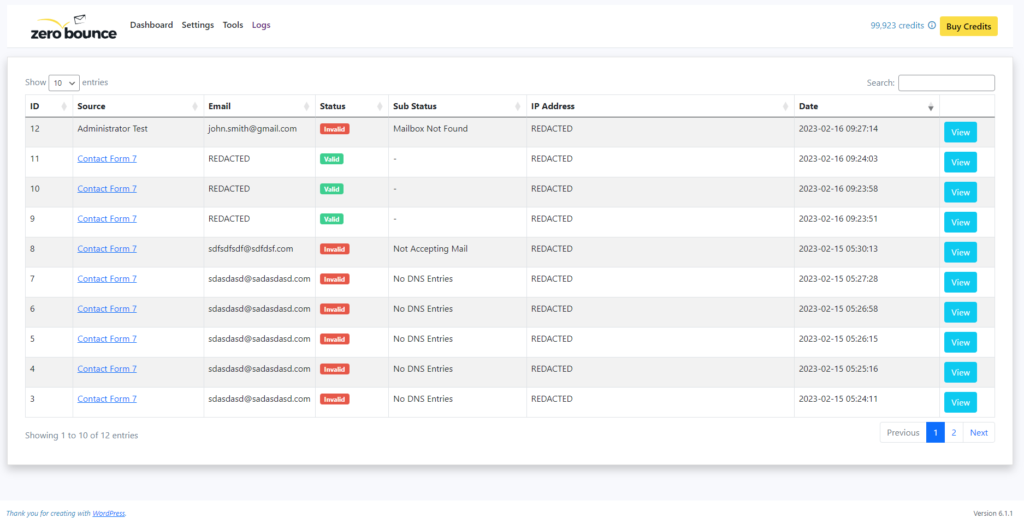
Email list hygiene is the process of keeping your email database accurate, up to date, and free from risky or undeliverable email addresses.
Regular maintenance helps you:
- Reduce bounce rates
- Improve inbox placement
- Protect your sender reputation
- Increase engagement
- Make better use of your email marketing budget
Think of it as routine maintenance for your email marketing strategy.
Email List Hygiene Checklist
Follow these 10 steps before sending your next email campaign.
✅ 1. Verify Your Email List
Always verify your mailing list before large campaigns.
Email verification helps identify:
- Invalid email addresses
- Disposable email accounts
- Abuse emails
- Spam traps
- Catch-all domains
This is the foundation of good email list hygiene.
✅ 2. Remove Hard-Bounced Email Addresses
Hard bounces indicate permanent delivery failures.
Keeping these addresses on your list only increases future bounce rates and damages your sender reputation.
✅ 3. Verify New Subscribers at Signup
Prevent bad data from entering your database in the first place.
Real-time email verification reduces:
- Typing mistakes
- Fake registrations
- Invalid email addresses
- Disposable email accounts
✅ 4. Never Buy Email Lists
Purchased email lists often contain:
- Outdated contacts
- Invalid addresses
- Spam traps
- Unengaged recipients
Building your own permission-based audience leads to better long-term results.
✅ 5. Remove Duplicate Contacts
Duplicate email addresses can:
- Inflate list size
- Distort campaign analytics
- Cause subscribers to receive multiple copies of the same email
Regularly review your database for duplicates.
✅ 6. Re-Engage Inactive Subscribers
Not every inactive subscriber should be deleted immediately.
Instead:
- Send a re-engagement campaign.
- Ask if they still want your emails.
- Offer valuable content or a special promotion.
- Remove them only if they remain inactive.
✅ 7. Authenticate Your Domain
Ensure your domain uses:
- SPF
- DKIM
- DMARC
Authentication helps mailbox providers verify your emails and supports better deliverability.
✅ 8. Monitor Your Bounce Rate
Review campaign reports after every send.
A sudden increase in bounce rate may indicate:
- Outdated email lists
- Technical issues
- Poor signup quality
- Imported contacts that need verification
Early detection helps prevent larger deliverability problems.
✅ 9. Clean Your List Regularly
Email databases naturally decay over time.
People:
- Change jobs.
- Delete email accounts.
- Switch providers.
- Stop using old inboxes.
Cleaning your list every few months keeps it healthy and accurate.
✅ 10. Track Engagement Metrics
Pay attention to:
- Open rates
- Click-through rates
- Unsubscribe rates
- Spam complaints
Strong engagement signals help mailbox providers trust your emails.
Common Email List Hygiene Mistakes
Avoid these common errors:
❌ Waiting until bounce rates become a problem.
❌ Assuming inactive subscribers have invalid email addresses.
❌ Buying email databases.
❌ Ignoring hard bounce reports.
❌ Never verifying new signups.
❌ Cleaning your list only once a year.
How ZeroBounce Supports Email List Hygiene
Maintaining a healthy email list is much easier when you know which addresses are safe to email.
ZeroBounce helps identify:I
- nvalid email addresses
- Disposable emails
- Abuse accounts
- Spam traps
- Catch-all domains
- Other risky contacts
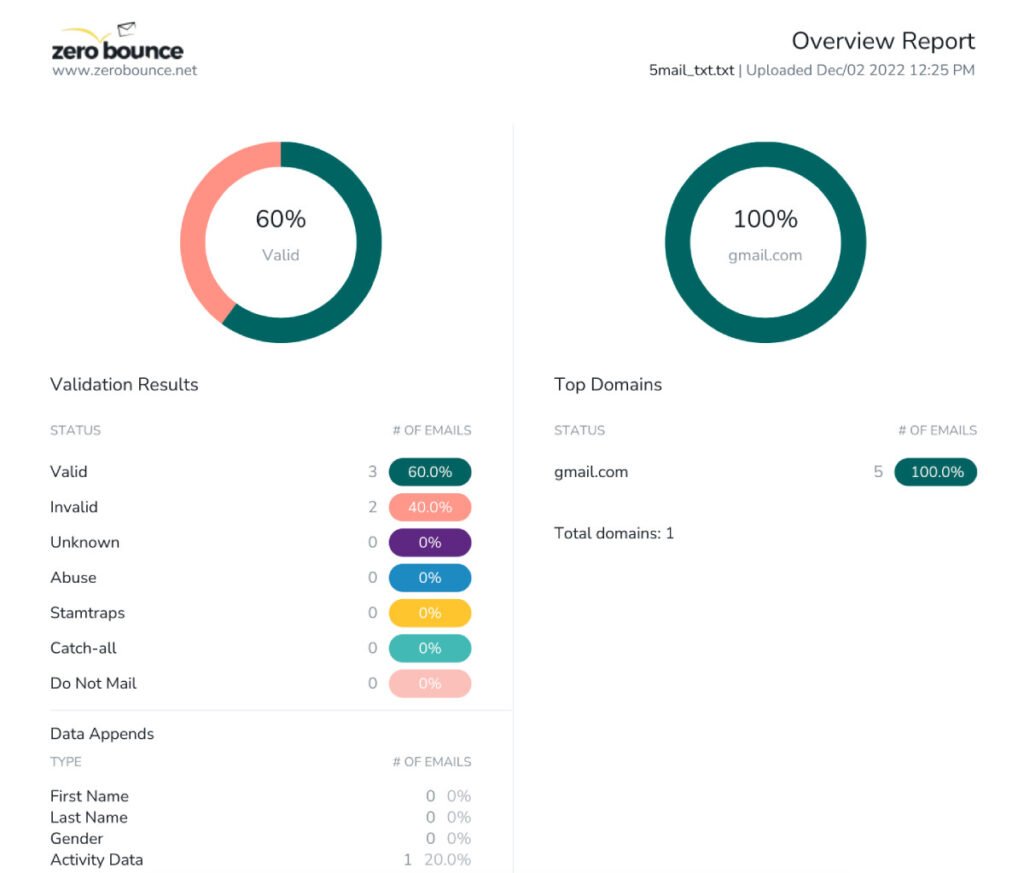
By verifying your list before every campaign, you can reduce hard bounces, improve inbox placement, and protect your sender reputation.
Printable Email List Hygiene Checklist
Before every major campaign, ask yourself:
✅ Have I verified my email list?
✅ Have I removed hard-bounced addresses?
✅ Are new subscribers verified?
✅ Have I avoided purchased email lists?
✅ Are duplicate contacts removed?
✅ Have inactive subscribers been re-engaged?
✅ Is my domain authenticated?
✅ Have I reviewed my bounce rate?
✅ Has my list been cleaned recently?
✅ Am I monitoring engagement metrics?
Completing this checklist before each campaign can help improve your long-term email performance.
Frequently Asked Questions
How often should I clean my email list?
Most businesses should clean their email list every one to three months. If you collect new leads daily, verify them as they sign up.
Is email verification the same as email list cleaning?
Email verification is a key part of email list cleaning, but complete list hygiene also includes removing hard bounces, monitoring engagement, authenticating your domain, and maintaining permission-based lists.
Can email list hygiene improve deliverability?
Yes. A clean, verified email list reduces hard bounces and supports a healthier sender reputation, improving your chances of reaching the inbox.
Should I remove everyone who hasn’t opened my emails?
Not immediately. Try a re-engagement campaign first. Some subscribers may still be interested but haven’t interacted recently.
Final Thoughts
Email list hygiene isn’t something you do only when problems appear. It’s an ongoing process that protects your sender reputation, improves deliverability, and helps every email campaign perform better.
Following this checklist consistently can save you from many common email marketing problems before they happen.
Before your next campaign, verify your email list and make sure you’re sending to real, deliverable email addresses.
Coupon Code: HAFSA10 — Get 10% off paid plan
Related Articles
- How to Remove Spam Traps from Your Email List Before They Damage Your Reputation
- Why High Email Bounce Rates Hurt Your Business (And How to Recover)
- How to Improve Email Deliverability Without Changing Your Email Provider
- The Hidden Cost of Sending Emails to Invalid Addresses
Pingback: How to Protect Your Sender Reputation and Keep Landing in the Inbox - InsightsVaultHQ