
A high email bounce rate isn’t just an email marketing problem—it’s a business problem.
Every bounced email is a missed opportunity to reach a customer, generate a sale, or build a relationship. Worse, if high bounce rates continue, email providers may begin treating your campaigns as untrustworthy, causing even valid emails to land in spam.
The good news? Most bounce rate issues can be fixed with the right approach.
Recover from High Bounce Rates with ZeroBounce
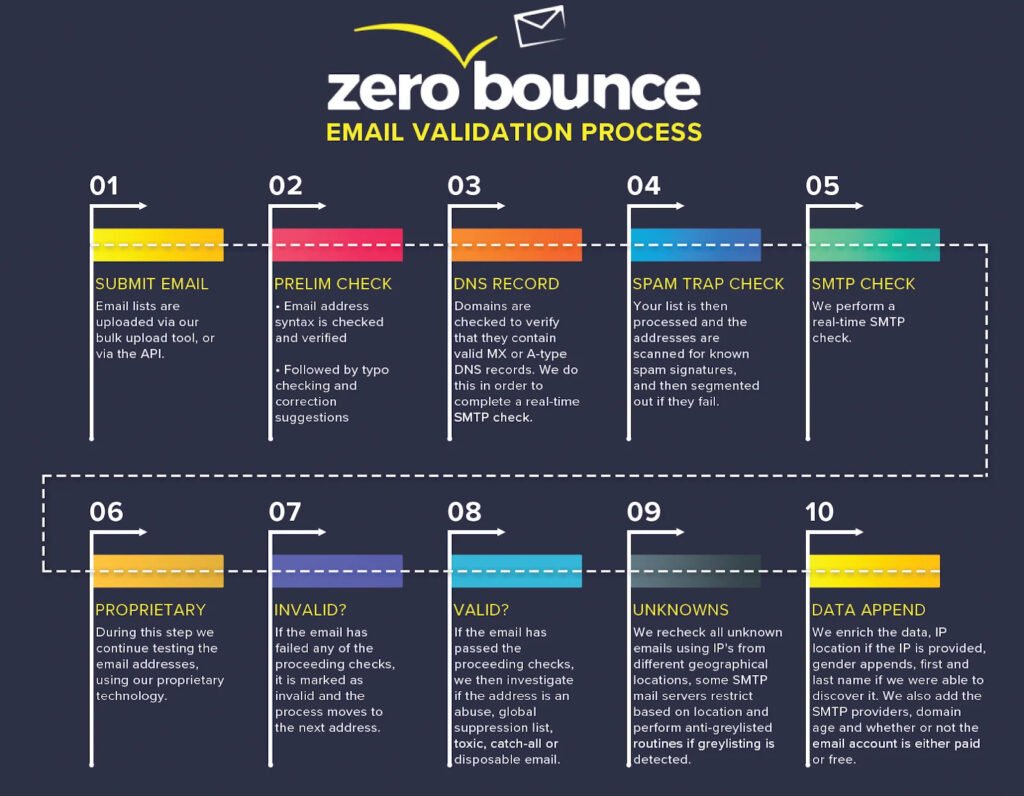
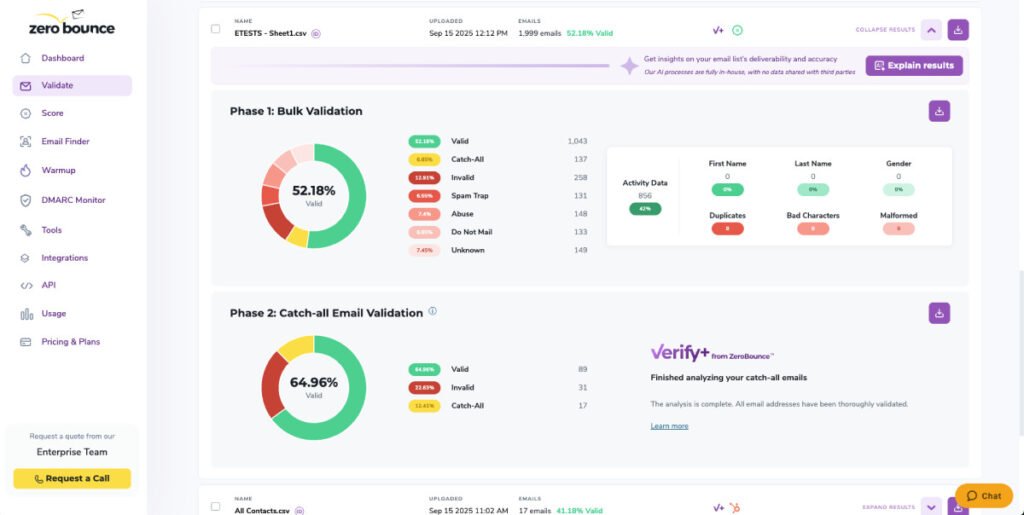
The first step to reducing your bounce rate is verifying your email list. ZeroBounce helps identify invalid, disposable, abuse, catch-all, and other risky email addresses before you send your campaign, helping you protect your sender reputation and improve deliverability.
Use coupon code HAFSA10 to get 10% off paid plans.
What Is an Email Bounce Rate?
Your bounce rate is the percentage of emails that fail to reach recipients.
For example:
- You send 10,000 emails.
- 300 are undeliverable.
- Your bounce rate is 3%.
While occasional bounces are normal, consistently high bounce rates indicate problems with your mailing list or email practices.
Why High Bounce Rates Are Bad for Your Business
Many businesses focus only on the immediate failed deliveries.
The real damage happens over time.
1. Your Sender Reputation Declines
Mailbox providers track your sending behavior.
If your emails frequently bounce, they assume you’re sending to outdated or low-quality email lists.
As your sender reputation decreases:
- More emails land in spam.
- Inbox placement becomes less consistent.
- Future campaigns perform worse.
A damaged sender reputation can take weeks or months to rebuild.
2. Your Email Deliverability Drops
Even subscribers with perfectly valid email addresses may stop receiving your emails if mailbox providers lose trust in your domain.
This means you’re losing visibility among people who actually wanted to hear from you.
3. You Waste Marketing Budget
Every bounced email still consumes resources.
Depending on your email platform, you’re paying for:
- Stored contacts
- Email sends
- Marketing automation
- Campaign management
Invalid addresses increase costs without generating any return.
4. Your Campaign Results Become Misleading
High bounce rates distort your email analytics.
Metrics such as:
- Open rate
- Click-through rate
- Conversion rate
become harder to interpret because a significant portion of your audience never received the email in the first place.
Poor data leads to poor marketing decisions.
5. Your Brand Looks Less Trustworthy
Repeated deliverability problems can affect how customers perceive your business.
If emails consistently arrive in spam—or never arrive at all—you risk losing customer confidence and missing important communication opportunities.
What Causes High Bounce Rates?
Several issues can contribute to a high bounce rate.
The most common include:
- Invalid email addresses
- Old customer databases
- Purchased email lists
- Typing mistakes during signup
- Expired domainsTemporary email addresses
- Deleted employee email accounts
Most of these problems are preventable with regular list maintenance.
How to Recover from a High Bounce Rate
Step 1: Verify Your Entire Email List
Start by identifying addresses that should never receive another campaign.
Email verification helps detect:
- Invalid email addresses
- Disposable emails
- Abuse accounts
- Spam traps
- Catch-all domains
Removing these contacts immediately lowers your future bounce risk.
Step 2: Remove Hard-Bounced Addresses
Hard bounces indicate permanent delivery failures.
These addresses should not remain on your mailing list because they will continue hurting your deliverability.
Step 3: Don’t Buy Email Lists
Purchased lists often contain:
- Outdated contacts
- Fake registrations
- Spam traps
- Invalid addresses
Growing your own permission-based list is far more sustainable.
Step 4: Verify New Subscribers
Prevent future problems by checking email addresses at signup instead of waiting until your next campaign.
Keeping bad data out is easier than cleaning it later.
Step 5: Monitor Every Campaign
After each email campaign, review:
- Bounce rate
- Spam complaints
- Open rate
- Click rate
Early detection allows you to fix problems before they affect future campaigns.
How ZeroBounce Helps You Recover
ZeroBounce helps businesses improve list quality before emails are sent.
Its verification process identifies:
- Invalid email addresses
- Disposable email accounts
- Abuse emails
- Spam traps
- Catch-all domains
- Other risky contacts
By removing these addresses, businesses can reduce hard bounces, improve sender reputation, and increase the likelihood that future campaigns reach the inbox.
Bounce Rate Recovery Checklist
Before your next campaign:
✅ Verify your email list.
✅ Remove hard-bounced addresses.
✅ Authenticate your domain with SPF, DKIM, and DMARC.
✅ Avoid purchased email lists.
✅ Verify new subscribers during signup.
✅ Review campaign reports after every send.
Frequently Asked Questions
What bounce rate is considered too high?
While acceptable rates vary, most email marketers aim to keep bounce rates below 2%. Consistently exceeding that level may indicate issues with your email list or sending practices.
Can a high bounce rate affect future campaigns?
Yes. Frequent hard bounces can reduce your sender reputation, making future emails more likely to be filtered into spam.
How long does it take to recover from a high bounce rate?
Recovery depends on the severity of the problem and your future sending practices. Regular email verification and good list hygiene can gradually rebuild your sender reputation over time.
Does ZeroBounce fix deliverability problems automatically?
ZeroBounce helps by improving your email list quality and reducing avoidable hard bounces. Deliverability also depends on authentication, engagement, content quality, and overall sending practices.
Final Thoughts
High bounce rates are more than an inconvenience—they’re an early warning sign that your email marketing strategy needs attention.
Ignoring the problem can lead to lower deliverability, reduced customer engagement, and lost revenue. Taking action before your next campaign can protect both your sender reputation and your marketing investment.
Start by verifying your email list so you’re sending to real, deliverable email addresses.
Coupon Code: HAFSA10 — Get 10% off paid plans.
Pingback: How to Remove Spam Traps from Your Email List Before They Damage Your Reputation - InsightsVaultHQ
Pingback: How to Protect Your Sender Reputation and Keep Landing in the Inbox - InsightsVaultHQ